It Couldn't Hurt to Try
The small things matter because the small things multiply into the large things.

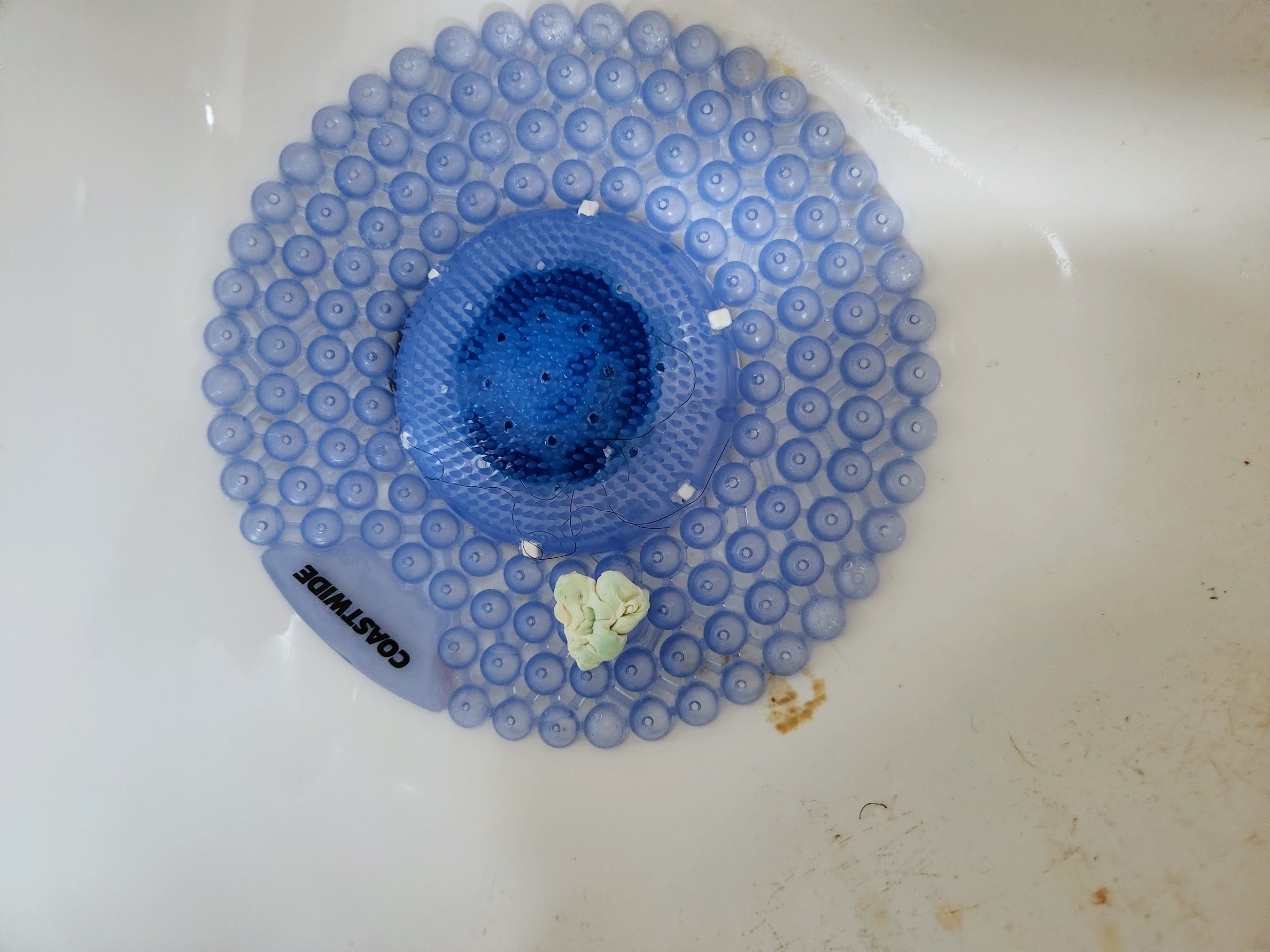
The idea for this story has been percolating for months, the one about the frustration I feel each time I see gum that has been spit into urinals. This occurrence happens almost daily at the gym. Not just my gym — all gyms.
As a professional housesitter, I have visited six health clubs in as many weeks, and gum in the urinals has greeted me at each location.
But why? Also, why does seeing gum in urinals upset me so much?
I looked to the blank screen, my blank canvas, for answers and wrote a piece titled “An Open Letter to Men Who Spit Gum in Urinals.” The essay was snarky and angry — a rare sighting of the old me. Highlights include, “You, apparently, have defined your main character syndrome as being so stupid or so entitled that you think spitting gum into a urinal is a good idea. Either way, what the fuck is wrong with you?” and “Have you no decency? Do you not care about the person who has to remove your gum from the urinal? Are you so busy and important that using a trash can three feet away will prevent you from achieving your goals that day?”
The words from the open letter did not express how I was feeling because they read as if they were written by someone else, someone I used to be. Yoga and meditation have helped the frustration that resided within. Being hostile takes energy, energy I don’t have, which made the previous angle feel flat and contrived. I focused on a story about drinking tea with my mom.
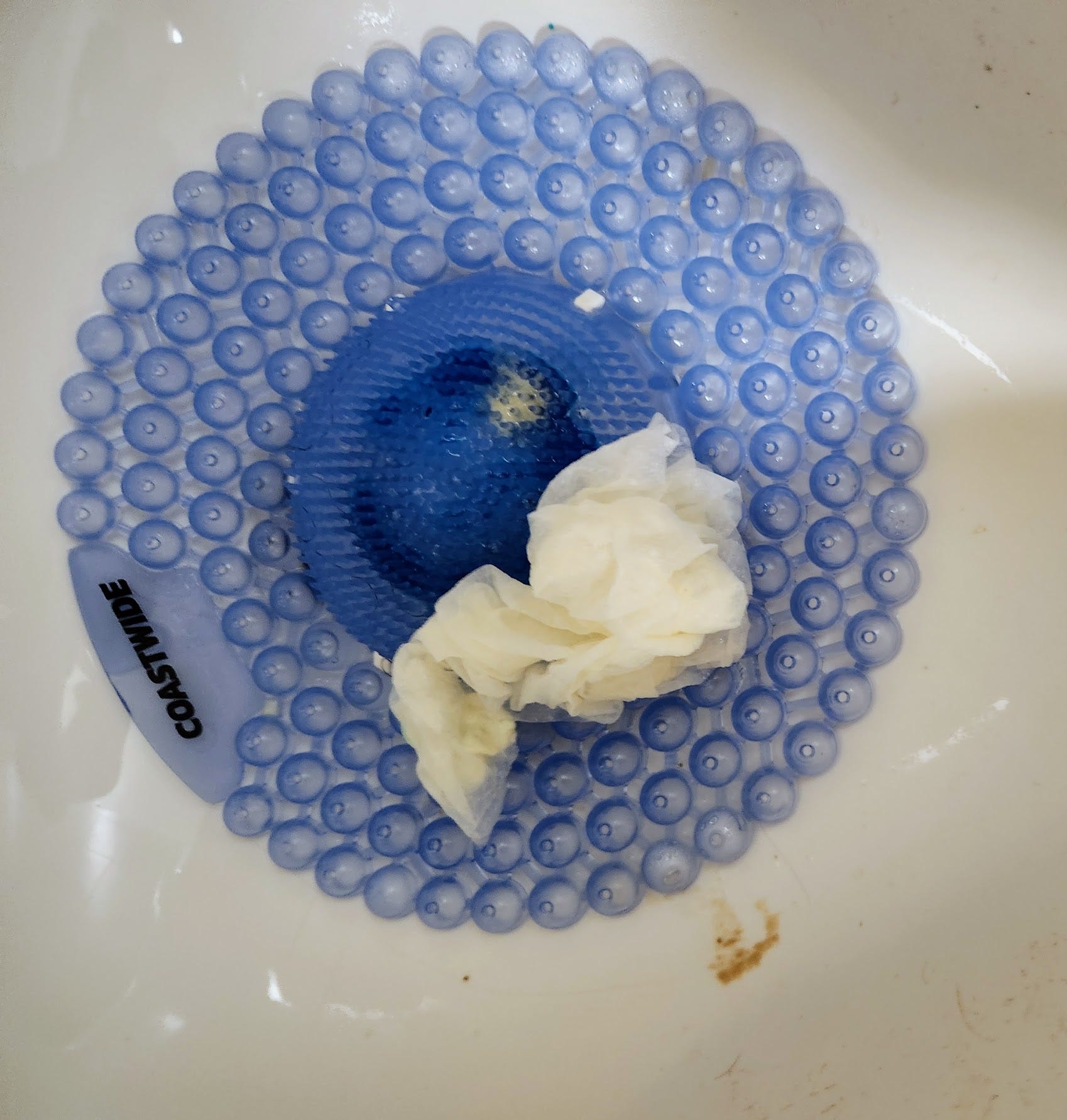
Still, these emotions are not extinct. Today these words on the page emerged. Here, I sit with them as a forty-six-year-old writer whose frustration manifests itself as sadness and not anger. More importantly, I feel better about this draft than the previous because it is more aligned with who I am now, a forty-six-year-old who exhales and shrugs when I see things that bother me. Judgement appears quickly, lingers for a few seconds, and vanishes, for which I am glad. “Getting old sucks,” I tell anyone who will listen, but decreased hostility is not one of the reasons why.
Blaming the Internet, smartphones, social media, and COVID-19 for entitled behavior is easy. Certainly, technological advancements and a global pandemic have negatively influenced the ways in which we care for others, but maybe people have always been this selfish. Perhaps now we have the tools to see.
Or, perhaps, now I have the tools to see that confrontation takes effort. I am not lazy, but a lecture to a stranger regarding the gum he spit into a urinal is not the most efficient use of my time.
Socrates would disagree. Via Plato, Socrates argued that publicly shaming people for bad ideas was beneficial for society because embarrassment would force them to become virtuous (he was against bullying — his method was to get people to change their methods, not to tease them). I agree with the message because I don’t want to live in a society where some people think spitting gum into urinals is acceptable, but I am not the messenger. Confronting people who make life harder for all of us can be someone else’s job because, to quote another great philosopher, Jay-Z, “A wise man told me don’t argue with fools/’cuz people from a distance can’t tell who is who.”
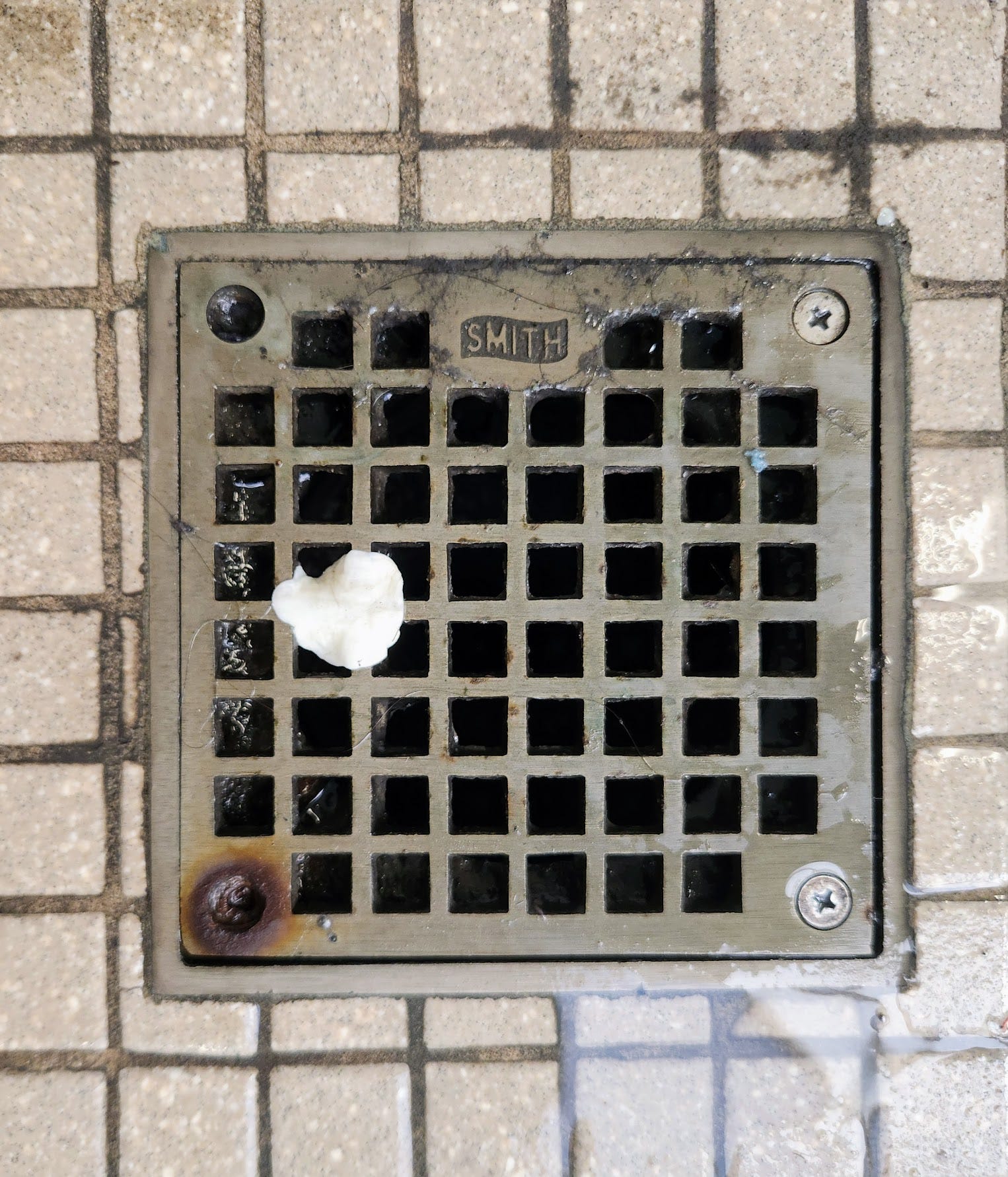
Eliminating selfish behavior won’t eradicate world hunger, and war and poverty will not be solved in an instant, but little things can be improved if only we take the time and effort to care. The solution is simple — we need to think about the ramifications of our actions. Everyone could wake tomorrow and spit gum into urinals every day for the remainder of their lives and the planet would continue spinning. The inverse is also true. Still, improving lots of little things can lead to big results because there is no such thing as “society,” a concept we cannot see, feel, touch, taste, or hear. There is not one omni-expanding network that controls humanity. Instead, we are bound by an infinite number of networks and relationships built on the seemingly miniscule instances such the “thank you” I receive when I hold the door open for strangers and the relief I feel when I find a lost dog on the street and return it home.
I started this Substack because short-form publishing is an industry about which I am no longer informed. In other words, I don’t know where to pitch a story about the negative emotions I feel when I see gum in gym urinals because the idea is too narrow, too niche. I do, however, know these words are not limited to gum in gym urinals.
This story angle might be a winner.